


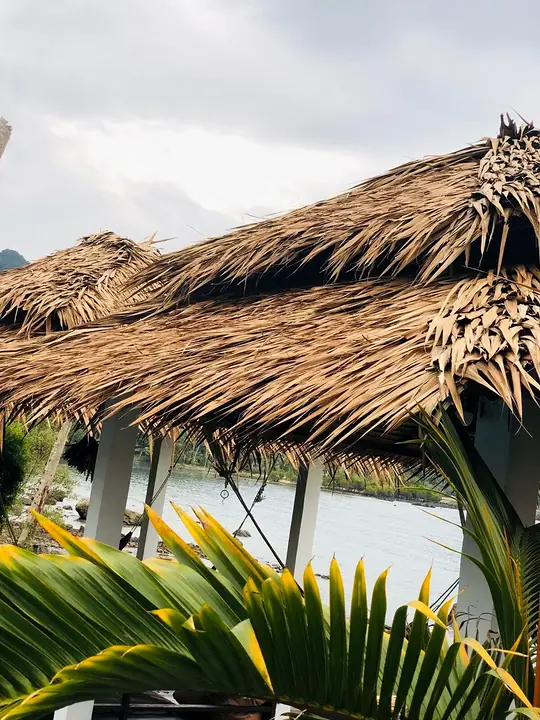
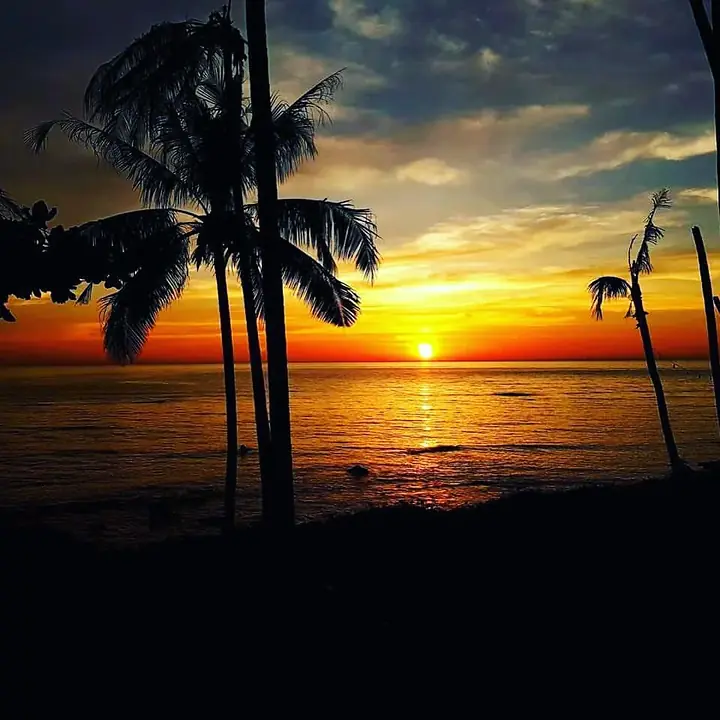
Koh Chang has three weather moods, and the rain is rarely all-day. Here is what each month is like, and what it means for the sea, the boats and the waterfalls.
Koh Chang's weather runs in three moods: cool and dry from November to February, hot from March to May, and green and rainy from roughly June to October. It is one of the wettest parts of Thailand, so rain is part of the picture in the green months, but it usually arrives in bursts with sunshine in between.
We are writing this on 1 November, which is a good moment to describe: the rain is easing, the jungle is fresh and green, the sea is calming and the crowds are starting to build. Here is how the rest of the year looks from our deck on Lonely Beach.
The three seasons in plain words
Cool and dry, November to February. This is the classic beach season. Skies are blue, the air is less humid and the west coast sea is calmer, with the best visibility for snorkelling. It is also the busiest time, especially around Christmas, New Year and Chinese New Year.
Hot, March to May. The heat builds and the air goes still. Mornings are lovely, afternoons belong to the pool and the hammock, and the sea is bath-warm. The first storms can arrive in May.
Green season, roughly June to October. The monsoon brings heavy bursts of rain, sometimes a whole grey day, and a rougher sea on the west coast. In return you get deep green jungle, full waterfalls and a quiet island.
Month by month
- November: rain easing, fresh and green. The sea is calming and the crowds are building.
- December and January: dry, sunny and breezy. The sea is calm and clear. This is the busiest stretch.
- February: dry, sunny and warming. Calm, clear sea and still busy.
- March and April: hot and mostly dry. The sea is warm and calm. Some waterfalls slow to a trickle.
- May: hot, with the first storms. The sea is changing and the island is quiet.
- June to September: rainy and lush. The west coast sea is often rough. This is the quietest time.
- October: rain gradually easing and the sea settling. Still quiet. We have a separate note on Koh Chang in October.
We have not quoted rainfall figures here, because we would rather describe the pattern than give you numbers we cannot stand behind. If you want the full picture of the year, our guide to when to visit Koh Chang goes through it.
What the rain actually means
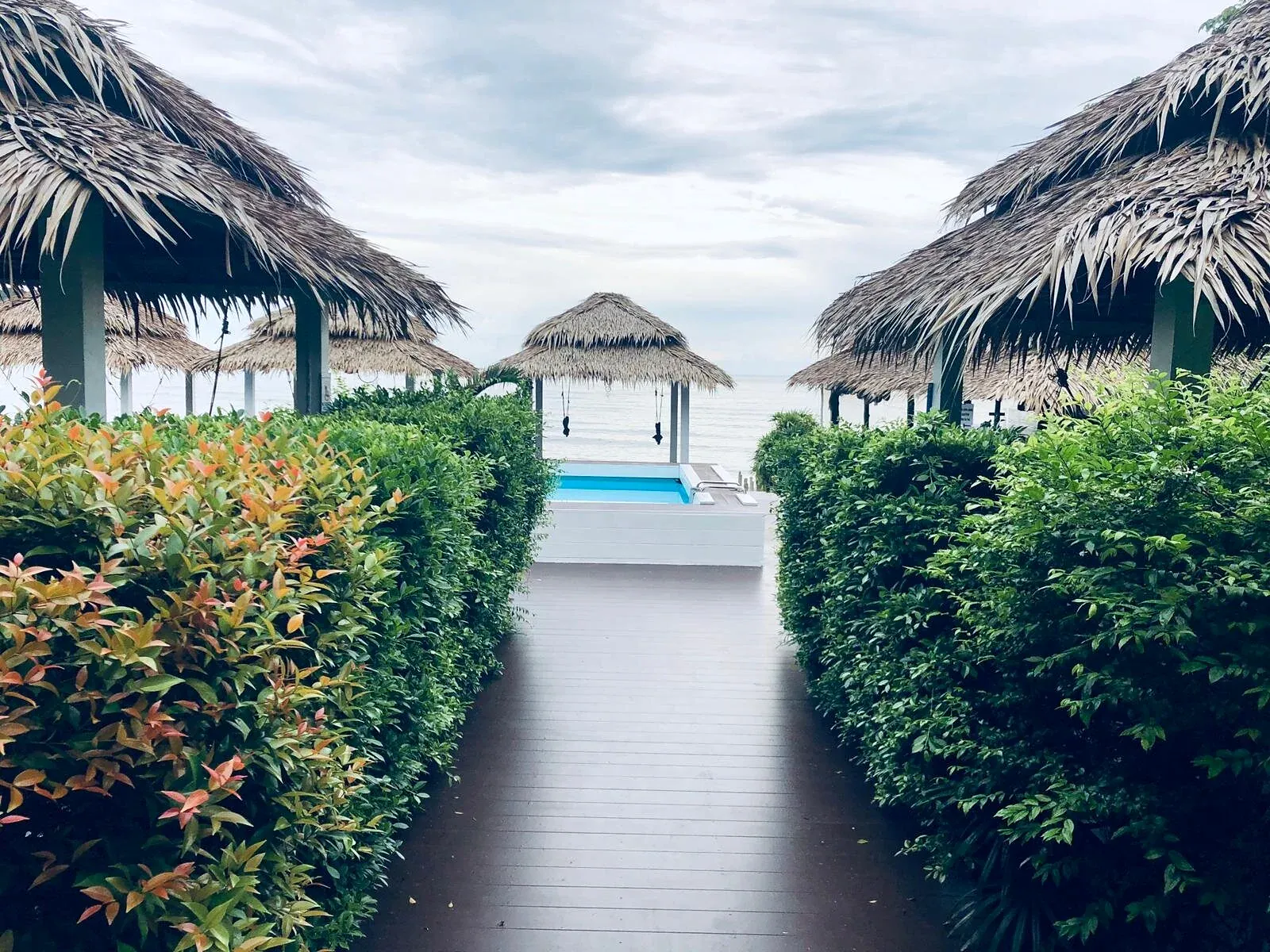
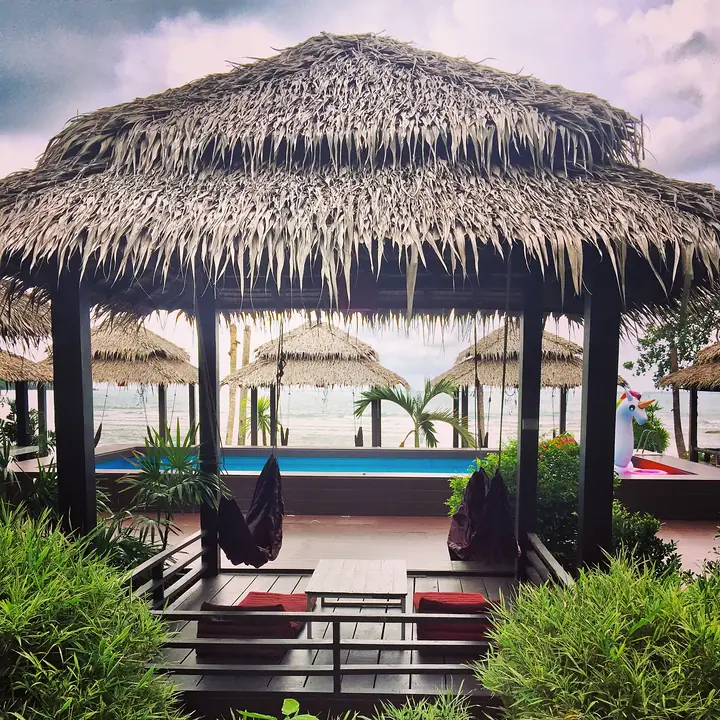
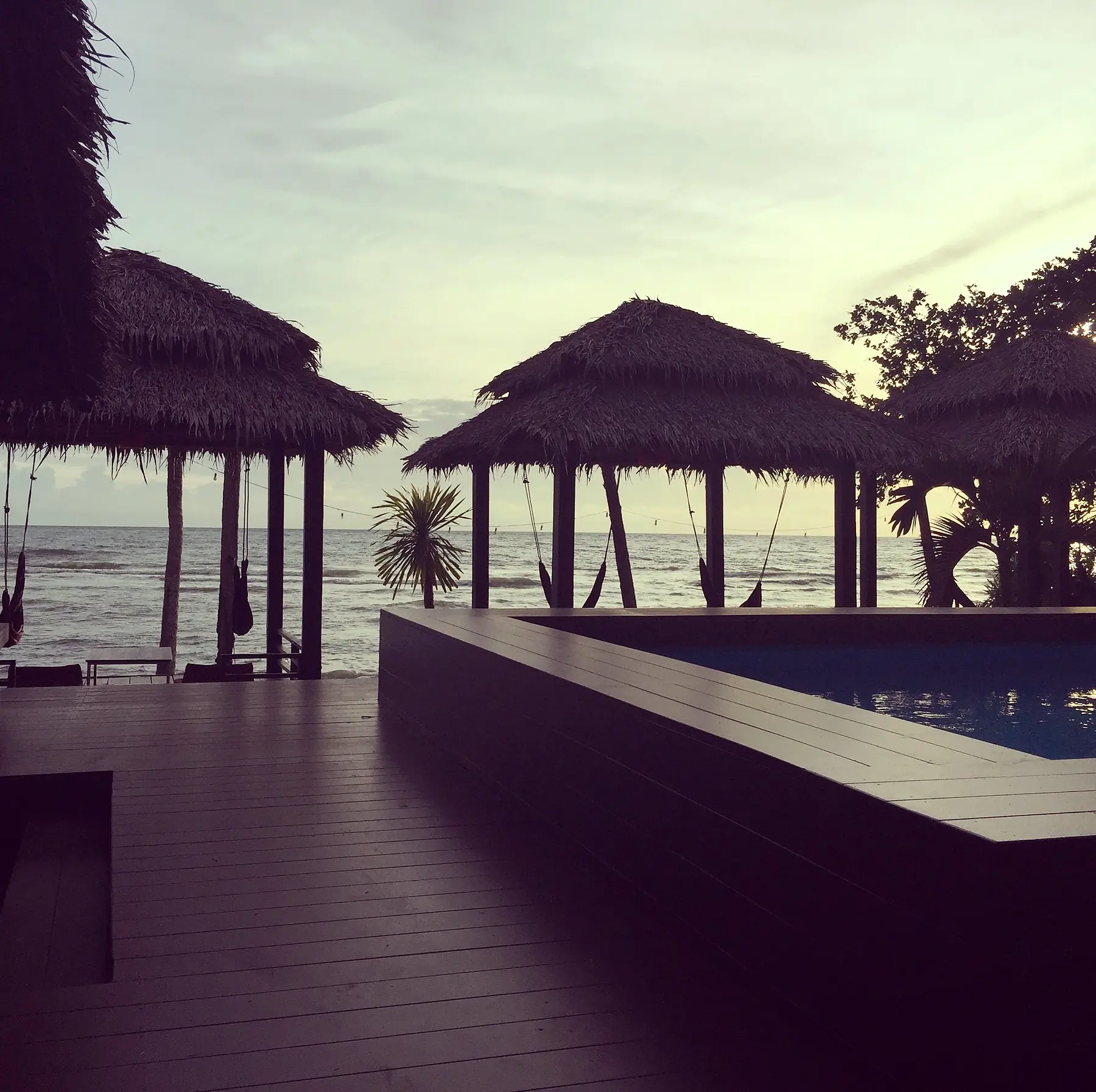
In the green season, rain tends to come as a heavy afternoon downpour, then sunshine. Some days are grey from start to finish, and you will want a plan for those. A storm rolling in over the sea is something to watch from a covered sala, and the sound of it on thatch is one of the nicer things about the season.
Rain also feeds the waterfalls. They are strongest during and just after the rainy season, roughly July to November, and some slow to a trickle by March and April. Very heavy rain makes trails slippery and pools unsafe, so on stormy days admire them from a distance. Our waterfall guide has the hours and fees.
Good wet-day plans: a waterfall in a dry spell, a massage, a long Thai lunch and a book in a hammock. Massage is available at Paradise Cottage.
The sea, the boats and swimming
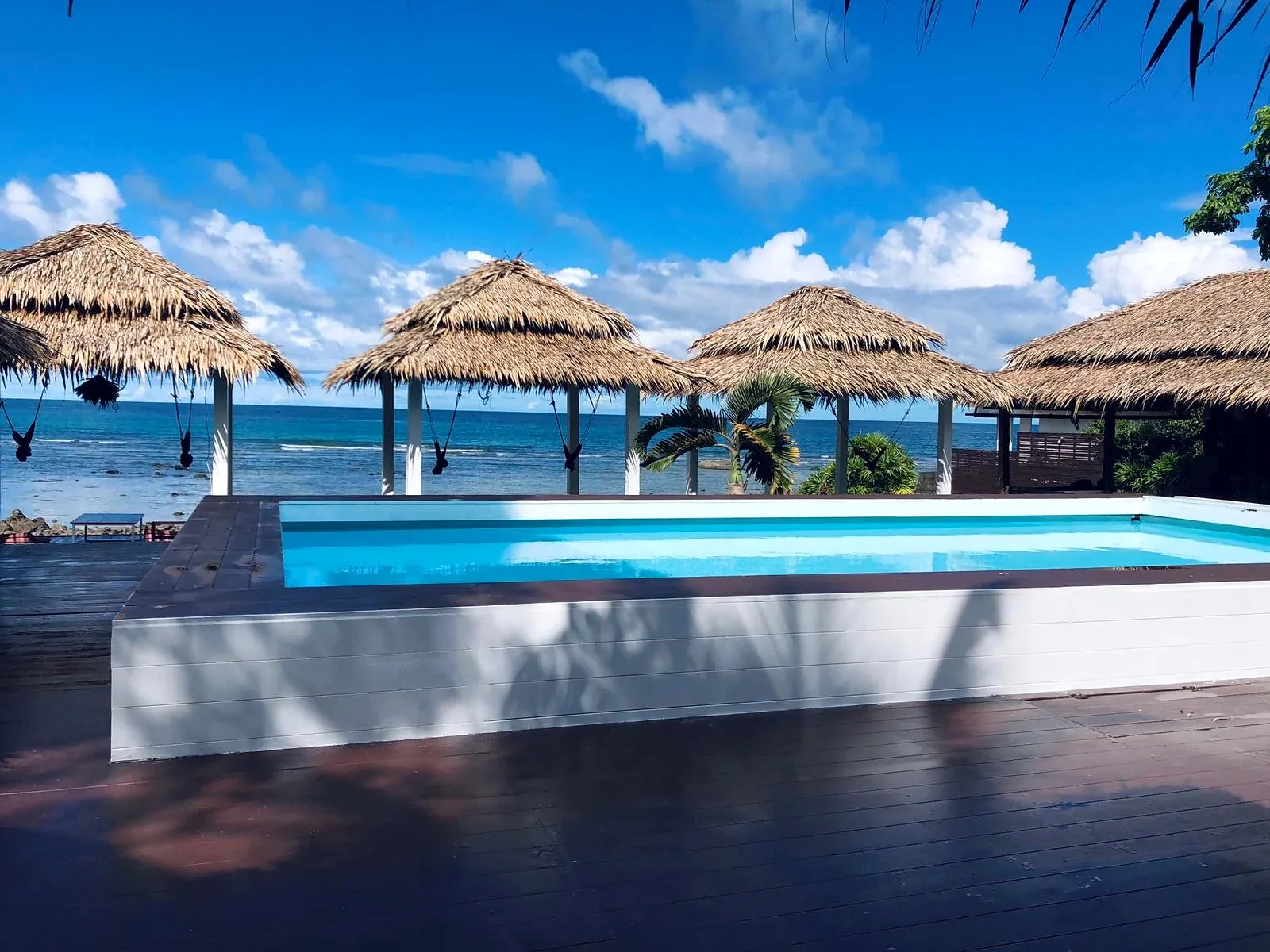
The weather matters most on the water. On Lonely Beach the sea is usually calm and lovely for swimming from about November to April. From around June to October the waves pick up and currents can be strong, so swim where others are swimming and respect any warnings.
Snorkelling follows the same pattern. The best conditions for Koh Rang are in the dry season, roughly November to April, when the sea is calmer and clearer. In the rainy months some trips are called off because of the waves. If you come then, book boat days early in your stay so you have a backup day. More in our guide to snorkelling Koh Rang.
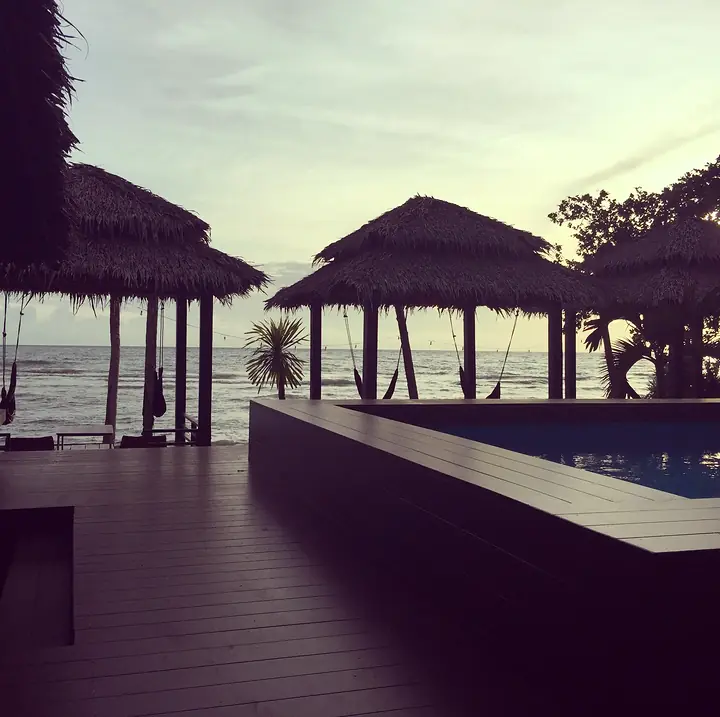
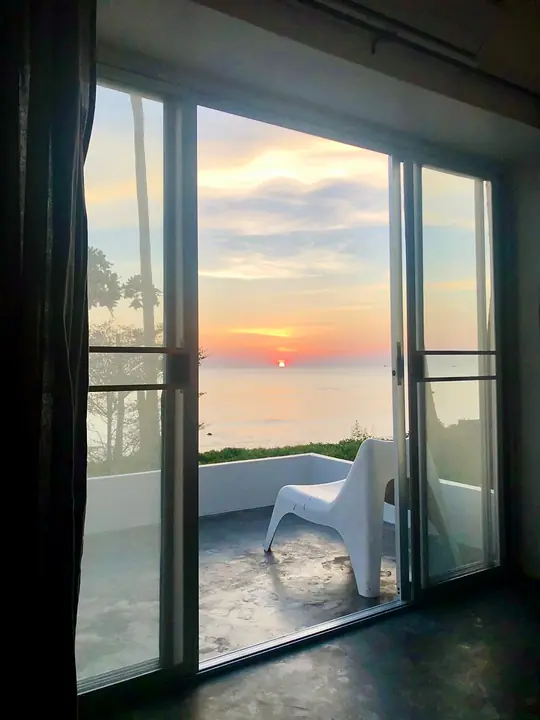
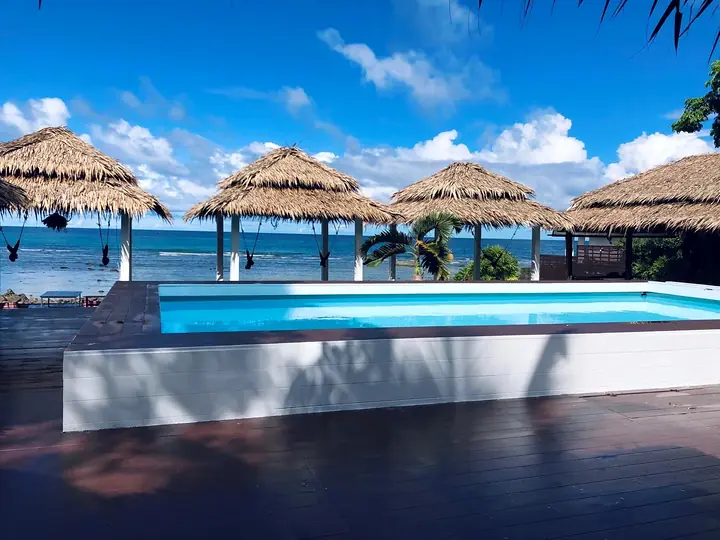
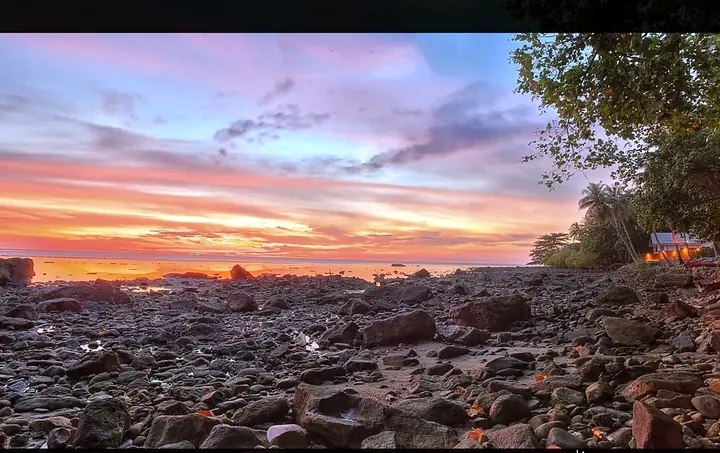
One honest note on where we sit: the shore directly in front of Paradise Cottage is rocky, so it is for sunsets rather than paddling. The sandy part of Lonely Beach is a 10 to 15 minute walk, and the pool on our deck is there whatever the sea is doing.
How to read a forecast
Weather apps tend to show a rain symbol for a whole day, even when the rain lasts an hour. In the green season, look at the hourly view rather than the daily icon. A day marked as rainy often still has a swim and a sunset in it.
For wind and waves, look at marine data as well as the rain. Open-Meteo is one free source that covers both. Treat long-range forecasts lightly: they are fine for a general feel, but check again the day before a boat trip, and ask the team at the resort, who see the sea every morning.
What to pack
- Any time: reef-safe sunscreen, a hat, light cotton clothes, sandals with grip and insect repellent.
- November to April: a snorkel mask if you have one, a rash vest and sunglasses.
- June to October: a light rain jacket, a dry bag for your phone, quick-dry clothes and a good book for the downpours.
None of the seasons is a bad time to come, only a different one. Pick the sea and the sun, or the jungle and the quiet, and pack for it.
Quick answers
What is the weather like on Koh Chang?
It is cool and dry from November to February, hot from March to May, and rainy and green from roughly June to October. Koh Chang is one of the wettest areas of Thailand, but rain in the green season usually comes in bursts with sunshine between.
What is the weather like on Koh Chang in November?
Rain is easing and the island is fresh and green. The sea is calming and the crowds are building towards the busy months.
When is the driest, calmest time on Koh Chang?
December to February is usually the driest and sunniest, with the calmest sea. Swimming on Lonely Beach and snorkelling at Koh Rang are best from roughly November to April.
Does rain cancel boat trips on Koh Chang?
It can. In the rainy months, roughly June to October, some trips are called off because of the waves, so keep boat days flexible and book them early in your stay.